by ABFRLadmin | January 8, 2026
Bhanu Dhingra, Head of Design at TASVA, talks about how intention, innovation and heritage are shaping fashion’s future.
Fashion is entering a defining era; one shaped by intention, identity and a renewed respect for craft. As global aesthetics continue to blur boundaries, what matters most today is not trend velocity, but meaning. Consumers are gravitating toward design that feels purposeful and emotionally resonant. They’re looking for fashion that’s built to last and where heritage informs modernity and innovation enhances, rather than overshadows, craftsmanship.
Within this evolving landscape, TASVA stands at the intersection of tradition and contemporary design. Guided by a philosophy that balances global influence with Indian sensibility, the brand continues to redefine modern occasion wear through clarity of purpose and enduring relevance.
To understand where fashion is headed next, we sat down with Bhanu Dhingra, Head of Design at TASVA, to explore how design is evolving — not just in form, but in mindset.
Moving Beyond Trends: A Shift in How we Choose to Dress
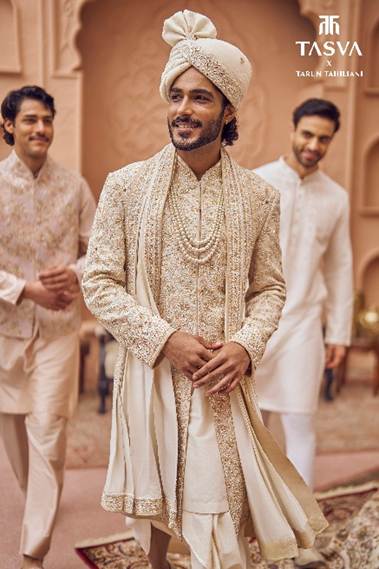
According to Dhingra, the most significant shift in fashion today isn’t visual but behavioural. “Trends are no longer limited to colours or silhouettes,” he explains. “They reflect deeper emotional shifts.” Buying decisions are increasingly driven by meaning rather than need. A groom selecting a sherwani, for instance, often considers how it complements the bride’s look, transforming the purchase into a shared emotional experience. This signals a future where fashion evolves, not just through aesthetics, but through the way consumers connect with what they wear.
Refinement With Responsibility at its Core
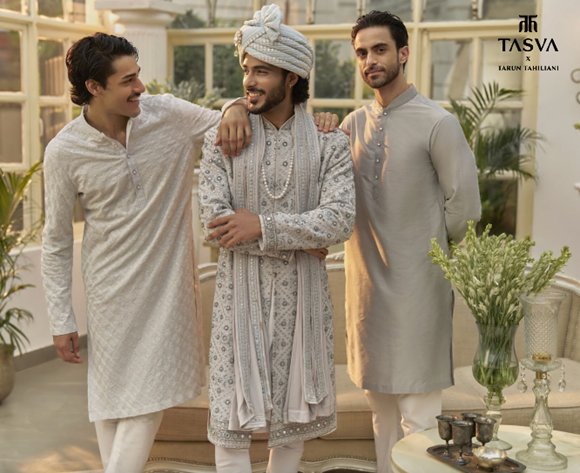
As sustainability becomes essential, TASVA’s approach is grounded in balance. The brand prioritises natural fibres suited to India’s climate, consciously reducing polyester use while preserving a sense of excellence. “Responsibility doesn’t have to come at the cost of aspiration,” Dhingra notes. Beyond fabrics, sustainability is embedded across the ecosystem, from supporting artisan communities and traditional embroidery techniques to integrating mindful practices in retail and operations. It’s a holistic view of premium artisanship, one that values craft, people and the process alongside the final garment.
Innovation That Elevates, Not Replaces
Material innovation plays a vital role in making fashion both responsible and aspirational. TASVA works closely with vendors to develop distinctive weaves and fabrics. Technology has also become a quiet collaborator. Integrated PLM (Product Lifecycle Management) systems and AI-assisted design tools allow the team to study drape, movement and light-play digitally before a physical sample exists. “Technology accelerates our workflow,” says Dhingra, “but creativity still comes from human intuition. It enhances the vision but doesn’t replace it.”
Reimagining Craft for a New Generation
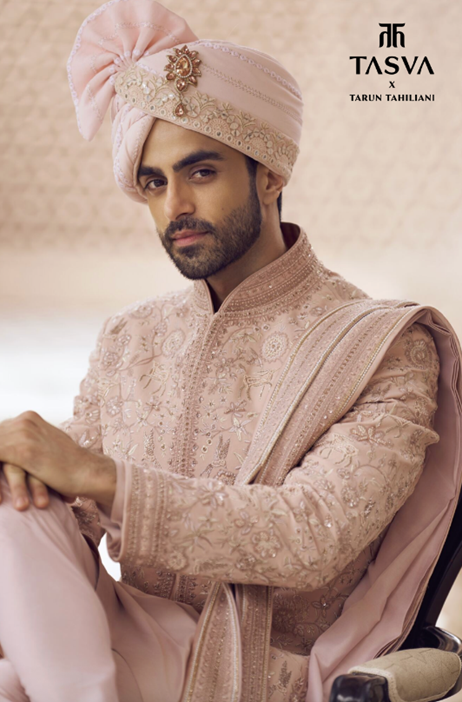
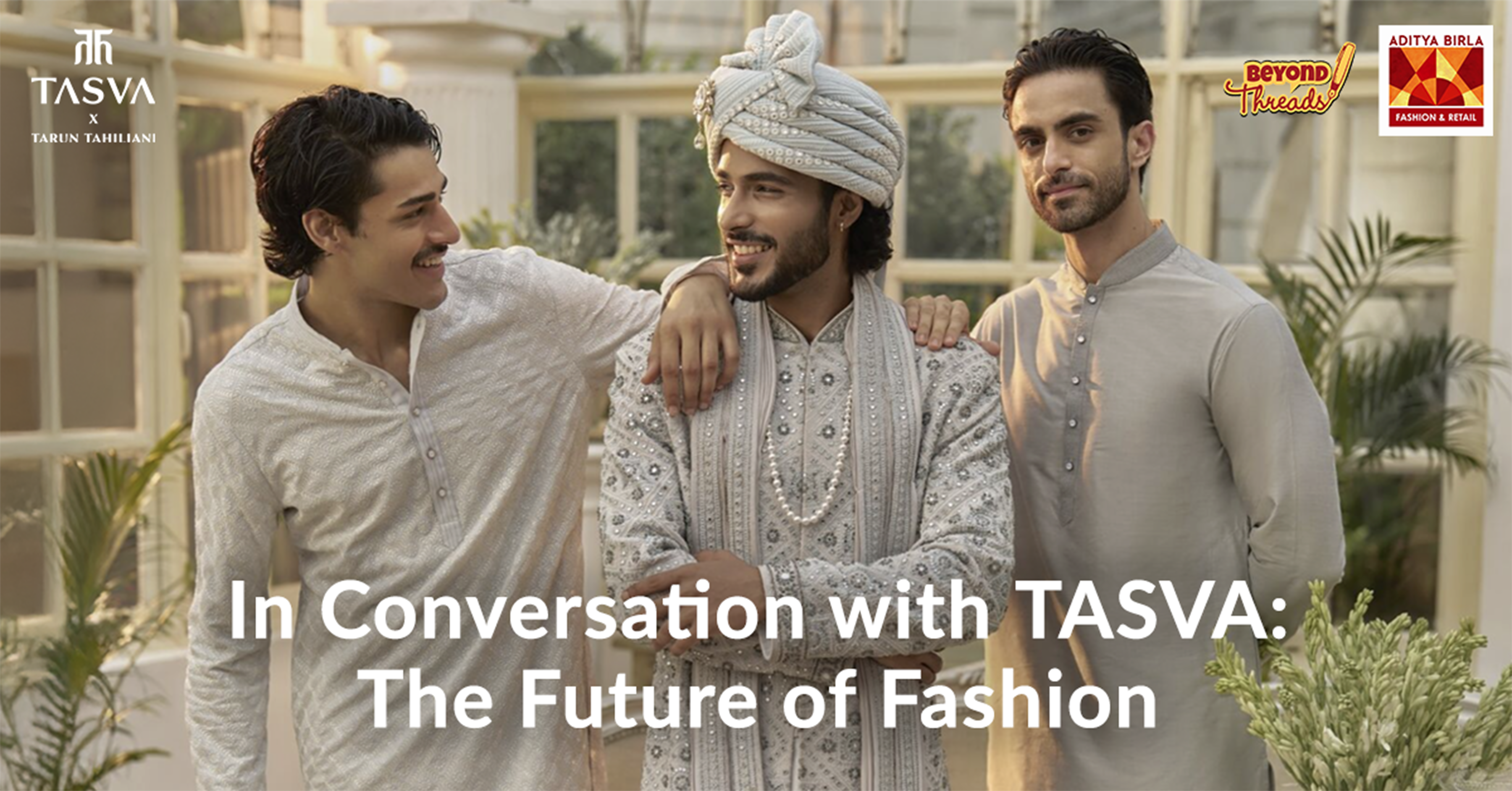
Embroidery remains central to TASVA’s identity. While speed and efficiency have increased across the industry, the brand continues to invest deeply in techniques like dabka, pitta, French knots, pearl work and hammered finishes. Collaborations with artisan clusters across India ensure these crafts remain alive and keep evolving. What’s changing is how craft is worn. Once reserved for grand occasions, craftsmanship is now entering everyday wardrobes, interpreted through cleaner lines, lighter constructions and versatile silhouettes that feel as appropriate at a destination wedding as they do at an intimate celebration.
Further, designing for today’s consumer means understanding a generation that values comfort as much as self-expression. Dhingra points out that Gen Z and millennials are globally aware, deeply discerning and resistant to superficial trends. Authenticity and individuality matter to them. At TASVA, this translates into garments that feel expressive yet refined, with silhouettes that honour tradition while speaking a contemporary language. “We design with relevance and individuality in mind,” he says, “while staying inclusive of the wider audience we serve.”
Looking Ahead
If one design direction defines what’s next in 2026, it’s the Angrakha-inspired sherwani. Recently introduced, this open, layered silhouette reinterprets tradition through modern utility. Fluid yet structured, expressive yet elegant, it reflects the broader shift in Indian fashion toward versatility and comfort, while keeping the cultural depth at the forefront. The response, Dhingra shares, has been overwhelming, with the silhouette poised to influence multiple categories going forward. For Dhingra, the future of fashion lies in harmony. “True design is a confluence of purpose, utility and aesthetics,” he says. “Without one, it becomes mere engineering.” Meaningful fashion emerges when these forces work together – when garments feel intuitive, connect emotionally and age gracefully. The future, then, isn’t about dictating trends. It’s about listening – to the consumer, to craft and to the world we’re living in.
As TASVA continues to shape its vision within the ABFRL ecosystem, one thing is clear: fashion’s next chapter will be expressive and deeply human. It’s rooted in heritage, refined through technology and designed for lives in motion. In fact, it isn’t really about what’s next; it’s about what feels right.