by ABFRLadmin | September 22, 2025
Come with us for a walk down the coastal regions of India, where the sea meets the shore in a dance of colours and traditions. Along the way, we’ll explore the vibrant cultures, timeless crafts, and stories woven into life by the water.
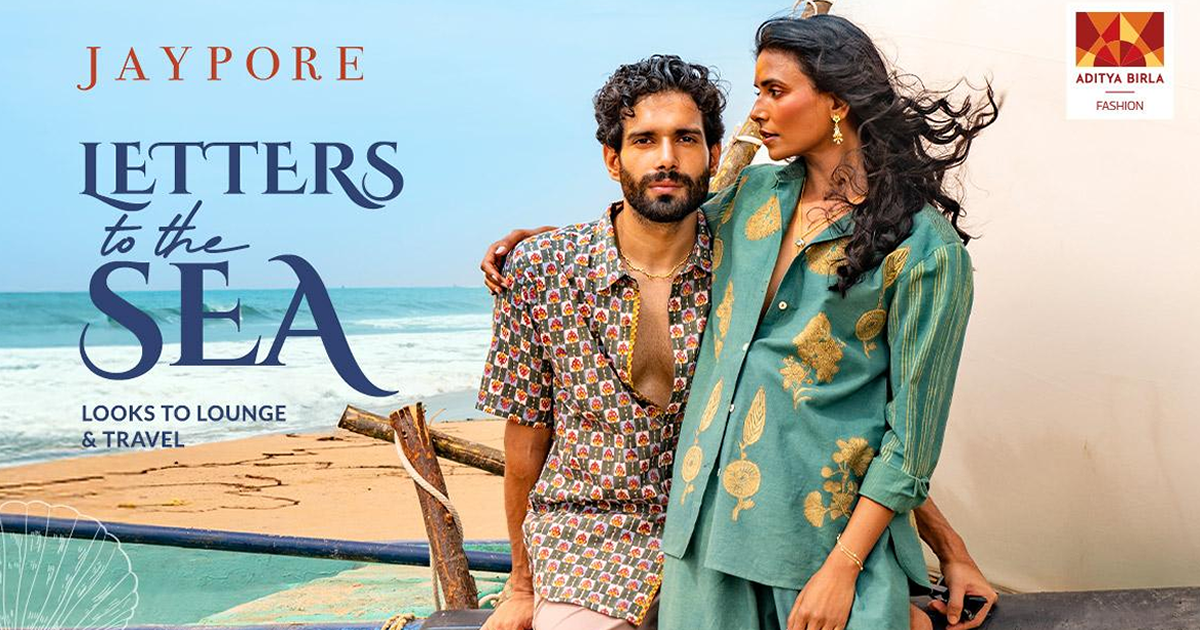
A journey through a tapestry of sea-washed tales and timeless crafts. Our new collection for the season are modern heirlooms from India’s coasts, crafted for styles that embrace the sun, sand, and the art of slow living. We have looks that wander as freely as you do, offering everyday ease with a coastal soul. Like the coastal maps we wear, each creation is a reminder of the shores we carry with us.
The Discovery Of India
It was the summer of 1498 when a small Portuguese fleet braved uncharted waters, chasing a dream that had lured explorers for generations, a direct sea route to India. At its helm was Vasco da Gama, a determined mariner sailing under the banner of King Manuel I of Portugal. His ships had already skirted the perilous edge of Africa, rounding the Cape of Good Hope, where roaring waves met endless horizons. Guided across the Indian Ocean by skilled Arab navigators, the fleet pressed on, carried by the monsoon winds.
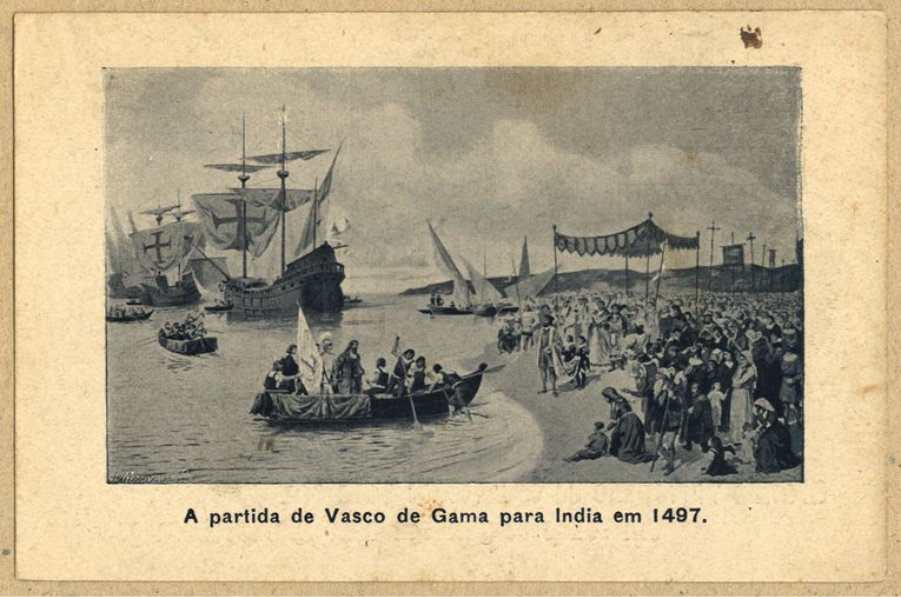
At last, they sighted the lush shores of Calicut, today’s Kozhikode, Kerala, a thriving port where the air was thick with the scent of pepper, cardamom, and cinnamon. This was the realm of the Zamorin, a ruler whose bustling markets brimmed not only with exotic spices but also with fine cotton and silk textiles, handwoven with intricate borders, gleaming metalware, and carved ivory and woodwork that spoke of centuries of craftsmanship. Traders from Arabia, Africa, and Southeast Asia haggled over these treasures, carrying them across seas and deserts.
Here, da Gama’s arrival marked more than just the end of a long voyage, it signalled the dawn of a new era. For the first time, Europe and India were bound by a direct sea link, bypassing the ancient overland trade routes. What began as a quest for spices soon became a race for India’s rich artisanal bounty, its textiles, jewels, and finely crafted goods, unfolding into centuries of European rivalry and
ambition along India’s coasts. From the European gaze, it was a “discovery.” For India, it was the beginning of a chapter where the shores became the meeting ground of worlds, and crafts the language they spoke.
Kalpavriksha – The Wish-fulfilling tree
Long ago, the gods and demons joined forces to churn the cosmic ocean in search of amrita, the nectar of immortality. Using a great mountain as the churning rod and a mighty serpent “Vasuki’ as the rope, they worked together as the waters foamed and treasures began to appear.
Among these wonders rose the Kalpavriksha, a magical tree whose branches bore flowers that never wilted, fruits that never spoiled, and jewels that shone like stars. It was said to grant any wish to those who came with a pure heart.
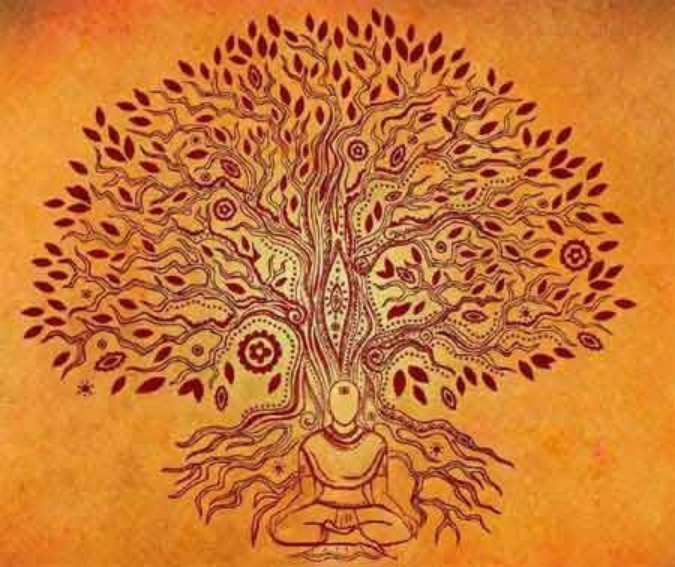
The gods placed it in Indra’s paradise, but over centuries, its legend spread across India’s coastal regions, especially in Gujarat, Goa, and Karnataka, where fishermen and traders prayed to it for safe voyages, abundant catches, and prosperity from the sea. In these coastal tales, the Kalpavriksha became not only a giver of material gifts, but also a protector of those who lived by the ocean’s edge.
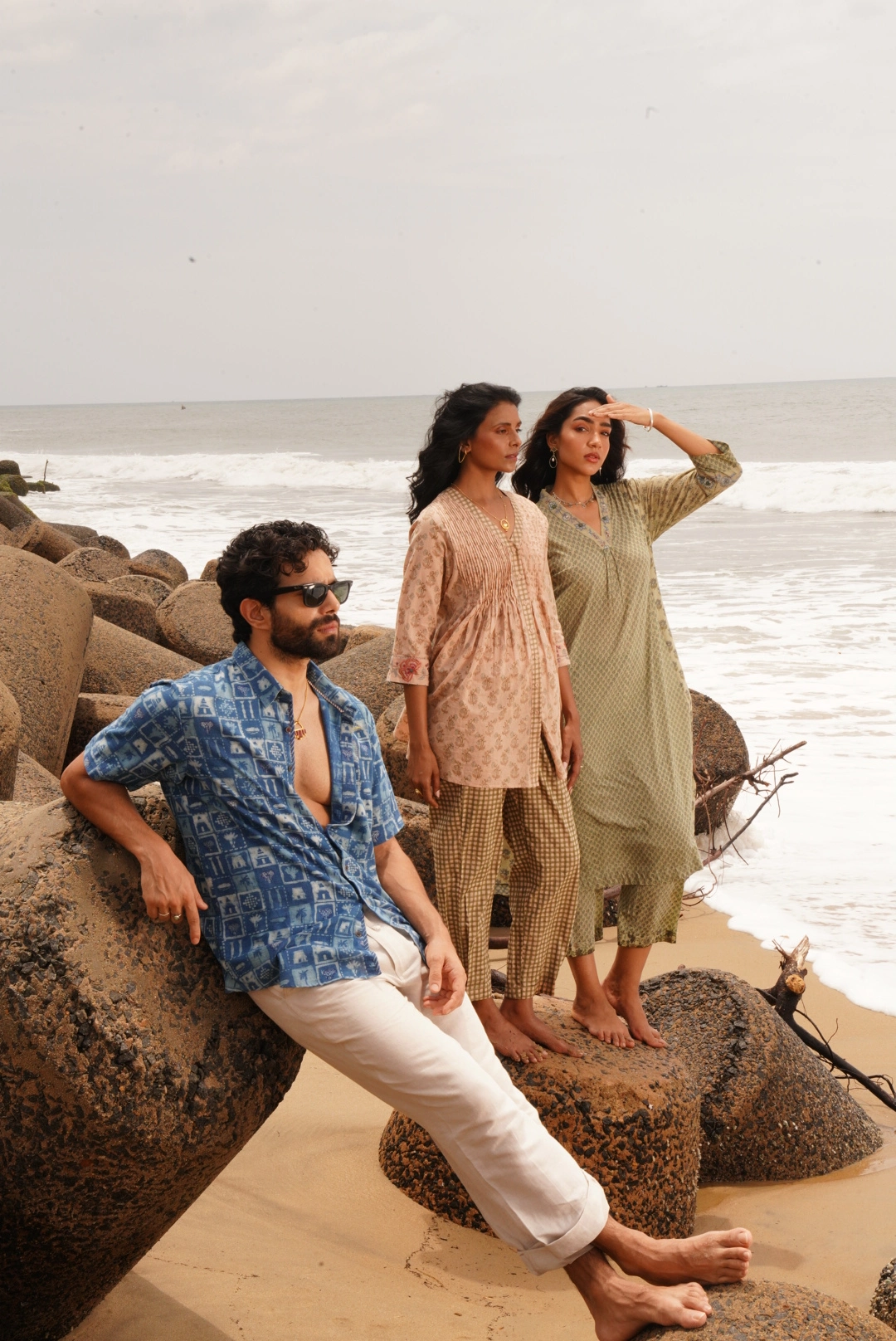
Inspired by the vibrant charm of Goa’s coast, this new season brings playful block prints, whimsical embroidery, and relaxed silhouettes to life in a fresh summer palette. Rooted in the philosophy of the Kalpavriksha, the mythical wish-fulfilling tree, each piece is crafted with purpose and joy. From sea-inspired co-ord sets to breezy cotton-silk shirts and beach bags, these styles blend coastal ease with meaningful design, made to move with you wherever you go.
Parava Fishermen – The Guardian of the Pearl Banks
For as long as the waves have kissed the southern shores of Tamil Nadu, the Parava fishermen have lived by the sea. They were the pearl divers of the Gulf of Mannar, slipping into deep blue waters with nothing but lungsful of air and a faith in the ocean’s mercy. In the shells they brought up lay treasures fit for kings, the pearls that travelled to Rome, Arabia, and beyond.
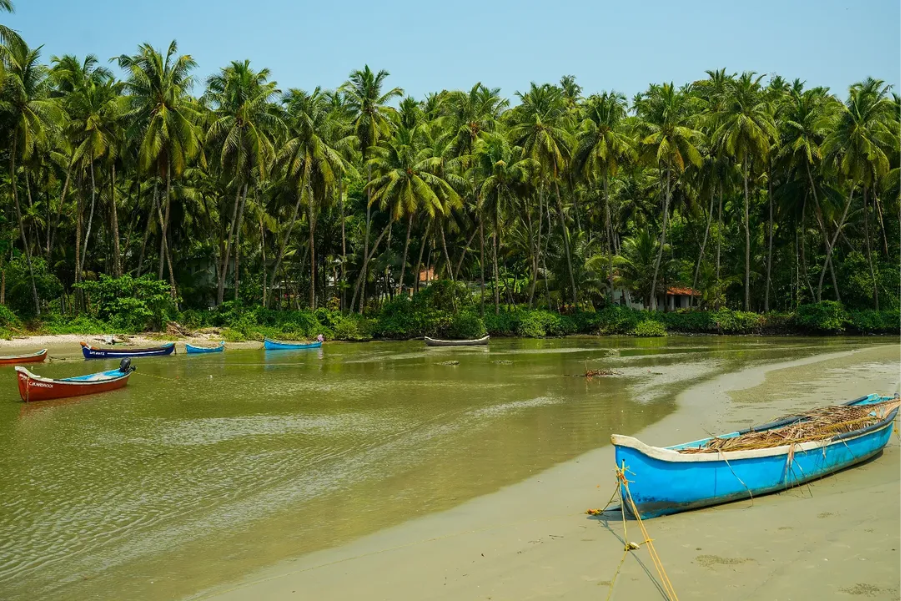
But the sea’s wealth also brought rivals. In the 1500s, pressed by heavy taxes and threats from powerful traders, the Paravas sought help from the newly arrived Portuguese. In return for protection, they embraced Christianity, their ancient Tamil seafaring traditions now intertwined with a new faith. St. Francis Xavier walked their shores, blessing their boats and baptising thousands.
Through Portuguese, Dutch, and British rule, the Paravas held fast to the sea. Even today, their villages are filled with the scent of salt and fish, their festivals echoing both the chants of the church and the songs of their ancestors, a living reminder that theirs is a story written on the tides.
Inspired by the Parava fishermen’s coastal rhythm and quiet resilience, the upcoming collection of the new season reflects a life rooted in faith, nature & craft. Hand-done Kantha stitching lends artful texture and movement to every piece. With bold block prints on soft cotton in striking hues, it’s made for mindful getaways and soulful escapes, a tribute to coastal heritage and everyday grace.
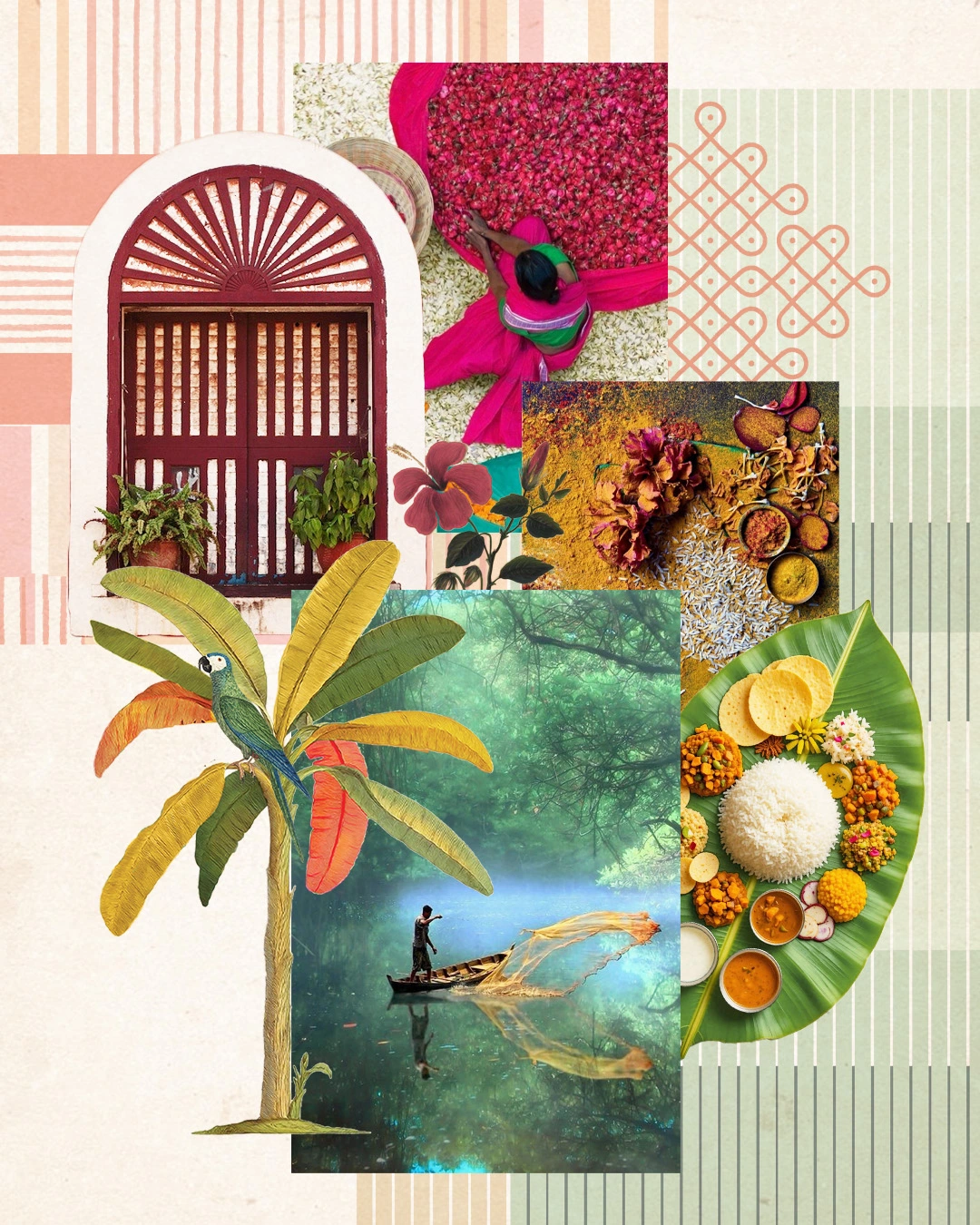
From ancient myth to maritime history and the lives of those who still cast their nets into the sea, India’s coasts have long been keepers of stories filled with discovery, devotion, and generations of craft. Letters To The Sea is a celebration of this legacy, stitched into every silhouette, every print, and every thread. Just as the sea moves with quiet purpose, so do the hands that craft each piece, guided by tradition, shaped for the present. Crafted to reflect the soul of the sea, this is our ode to the coast, worn with intention, carried with grace, and remembered like the scent of salt in the air.